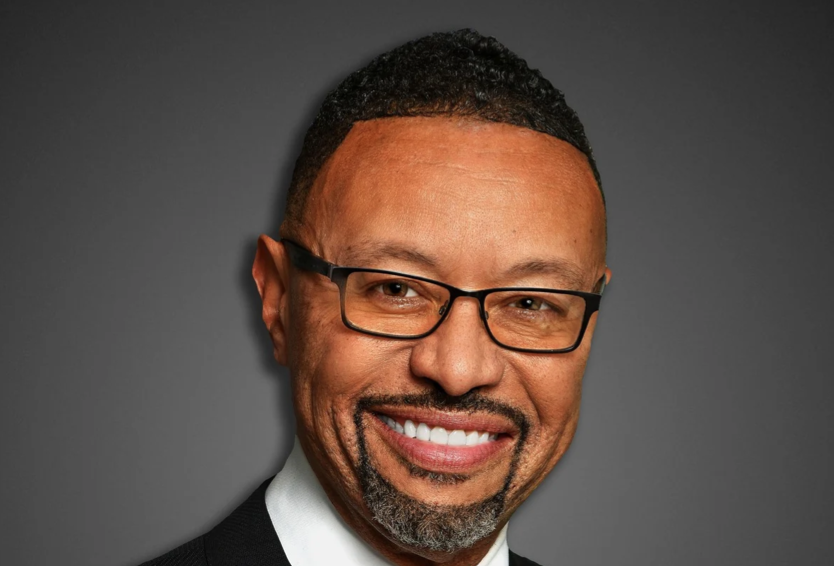
Yes. Communities across the South Side and the far south suburbs continue to experience an ongoing shortage of affordable, accessible housing. According to a recent report by Housing Action Illinois and the National Low Income Housing Coalition, Illinois has only 34 affordable and available rental homes for every 100 extremely low-income renters, and the 3rd district is no exception. We see this shortage reflected in rising rents and limited options of safe,and affordable high-quality options for families, seniors, and residents living with disabilities. Vacant lots and a lack of new construction especially near public transit and quality grocery stores shows the need for continued investment in both new housing and the revitalization of existing neighborhoods.
Since being elected, I have consistently supported policies and partnerships that are aimed at expanding affordable housing and revitalizing historically disinvested communities. This includes the work of the Cook County Department of Planning and Development, which funds projects for residents experiencing homelessness, seniors, individuals with disabilities, and families in need.
I’ve also supported the efforts of the Cook County Land Bank Authority, which reclaims vacant, abandoned lots and properties and returns them to productive use through community-based developers. Earlier this year, the Land Bank played a critical role in making Englewood's first new family housing development in over 50 years possible.
I have also supported programs such as:
The Cook County Down Payment Assistance Program, which helps low- and moderate-income families build generational wealth through homeownership.
Cook County Legal Aid for Housing and Debt, which provides free legal support for residents facing eviction, foreclosure, and other housing-related crises.
Housing Authority of Cook County (HACC) programs, including rent assistance, mobility counseling, public housing expansion, and homeownership services for thousands of families.
The Cook County Modular Homes Program, a pilot effort leading construction of single-family homes in three underinvested communities with limited new home construction: Humboldt Park (Chicago), Chicago Heights and Proviso Township
The Cook County Homeowner Relief Fund, a $15 million program that will assist households that have experienced a substantial increase on their property tax bills in recent years.
The County Board can lower housing costs by expanding funding for affordable housing. . Bringing down costs requires both building more housing and eliminating the barriers that make development expensive. The County is already doing this work, but must continue scaling its efforts.
In order for us to achieve this I support: increasing investment in affordable housing projects through collaboration with other branches of local government including the city and the state.
Supporting small businesses, particularly women entrepreneurs of color, whose success strengthens local economies and stabilizes neighborhoods affected by high housing costs.
Growing the Housing Authority’s rental assistance and mobility programs, which help families access high-opportunity neighborhoods without overburdening their budgets.
Meeting AHPAA requirements is not optional. Cook County must work harder to ensure that all municipalities, especially affluent ones, plan for and build their fair share of affordable housing. Affordable housing especially cannot be concentrated solely in lower-income communities. Every municipality must participate in solving this crisis.
I support:
Using county leverage, including incentives, infrastructure investments, or targeted funding, to encourage communities to approve affordable developments.
Increasing transparency of the process and progress of developments by publicly tracking municipal compliance so residents understand where progress is happening and where it’s being blocked.
Unincorporated Cook County presents a major opportunity, especially for creating transit-oriented, mixed-income housing. By using County-controlled zoning strategically, we can create new housing where it is most needed and most likely to thrive.
I support strategies like:
Prioritizing redevelopment and zoning of vacant land so new housing is paired with walkable access to jobs, fresh produce, healthcare, and small businesses.
Modernizing zoning to allow multifamily and mixed-use developments, particularly near transit and business corridors.
Incentivizing developers to increase the amount of affordable units through density bonuses and expedited approvals.
County-owned land is one of our strongest tools for driving equitable development. Using it strategically can reshape entire neighborhoods. The County can encourage development on its municipal parcels by:
Offering land at reduced cost to qualified developers who commit to long-term affordability.
Prioritizing proposals that incorporate community benefits, such as local hiring, green design, and small business integration.
To reduce the pressure on property taxpayers while still meeting financial obligations the County must grow its revenue base, not just raise taxes. The more we grow our economic base through housing, small businesses, and community redevelopment the more we can reduce the burden on individual property owners.
To achieve this I support:
Expanding business development, particularly in historically underserved areas, to bring in new commercial revenue and reduce reliance on residential property taxes.
Revitalizing vacant and abandoned properties through the Land Bank and targeted redevelopment projects, turning blighted land into revenue-producing assets.
Supporting homeowners and renters through programs like the Cook County Legal Aid for Housing and Debt, foreclosure prevention, and down payment assistance that stabilize communities and keep families in their homes.
