HB5083 / SB3187 Empowers Faith-Based Organizations to Solve the Housing Shortage
Challenge
Faith-based organizations ("FBO", including churches, synagogues, mosques, etc.) often own or steward land that could be developed to address the housing shortage in Illinois, but face significant bureaucratic hurdles and inexperience developing property.
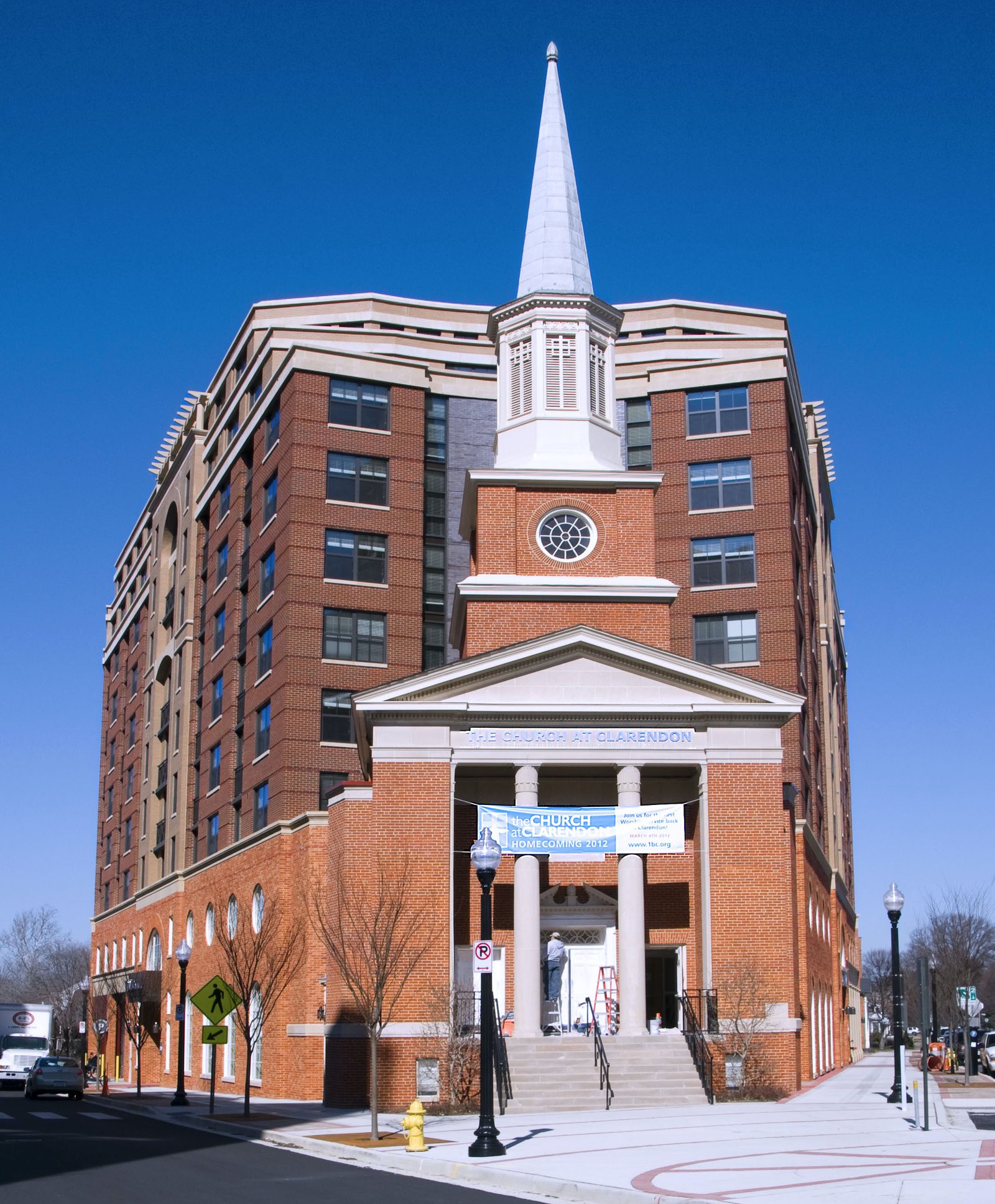
Consider a congregation that owns their building which has deferred maintenance and the congregation is at risk of having to raise significant funds from its members or relocate. With YIGBY in place the congregation could develop, or partner with a developer, to build housing on its property and use some of the revenue to fund a renovation project.
- Subjective barriers: Current zoning processes often require discretionary or political approvals that often delay projects to the point that they are withdrawn.
- Uncertainty: Faith-based groups may lack legal and professional resources to navigate the development process. Character objections and arbitrary zoning constraints prevent them from utilizing their own property to serve their communities.
Solution
Create a statewide option to remove barriers for housing on faith-based land
The YIGBY Act establishes a uniform review process. If a faith-based organization’s housing proposal meets objective safety and building codes, local governments must approve it – eliminating veto points that are leveraged to stop new housing. This ensures that FBOs can responsibly develop their land to provide multifamily and supportive housing, while still adhering to essential health and safety regulations.
Key provisions
Who qualifies?
- Faith-based organizations: Religious corporations, congregations, and affiliated 501(c)(3) nonprofits.
- Eligible land: Land owned in fee simple by the organization (or trustees) or held under a long-term lease (30+ years).
- Exclusions: Does not apply within ¼ mile of a heavy industrial use, an airport with scheduled commercial service, a public-use seaport, or an active military installation.
What Can Be Built?
- Multifamily housing: 3 or more dwelling units.
- Mixed-use development: Projects where residential use occupies at least 60% of the floor area can have integrated nonresidential uses (e.g., retail and office uses).
- Supportive and group housing: These uses are explicitly permitted.
Removing Zoning Barriers (The "By-Right" Standard)
Local governments cannot impose the following restrictions on these projects:
- Height: Cannot restrict height to less than 60 feet or 5 full stories (except where a generally applicable airport safety overlay required by federal law requires a lower height).
- Parking: Cannot enforce any minimum off-street parking requirements (except as needed for ADA or other federal law that expressly requires minimum parking).
- Setbacks: Cannot require setbacks larger than 10ft (front/rear) or 5ft (side) (except as needed for generally applicable fire access or building-code light/ventilation).
- Density Caps: Eliminates restrictions through maximum/minimum density caps, floor-area ratio, lot coverage, or unit limits that make new affordable housing infeasible.
- Subjective Review: Prohibits design reviews based on "neighborhood character," "harmony," or "aesthetic fit."
Streamlined Approval Process
- Ministerial Review Only: Approval is administrative (checklist-based), not discretionary.
- Fast Timelines:
- Completeness: Within 15 business days of submission, the locality must list any specific objective items needed for completeness. If it fails to do so, the application is deemed complete.
- Final decision required within 60 days.
- Deemed Approved: If the local government fails to act, the project is automatically approved by law.
Accountability & Enforcement
- Legal Recourse: Faith-based orgs, developers, and any person directly aggrieved can sue to enforce the Act.
- Damages & Fees: Courts may award damages for proven economic losses proximately caused by unlawful delay, and must award attorney’s fees to prevailing plaintiffs.