
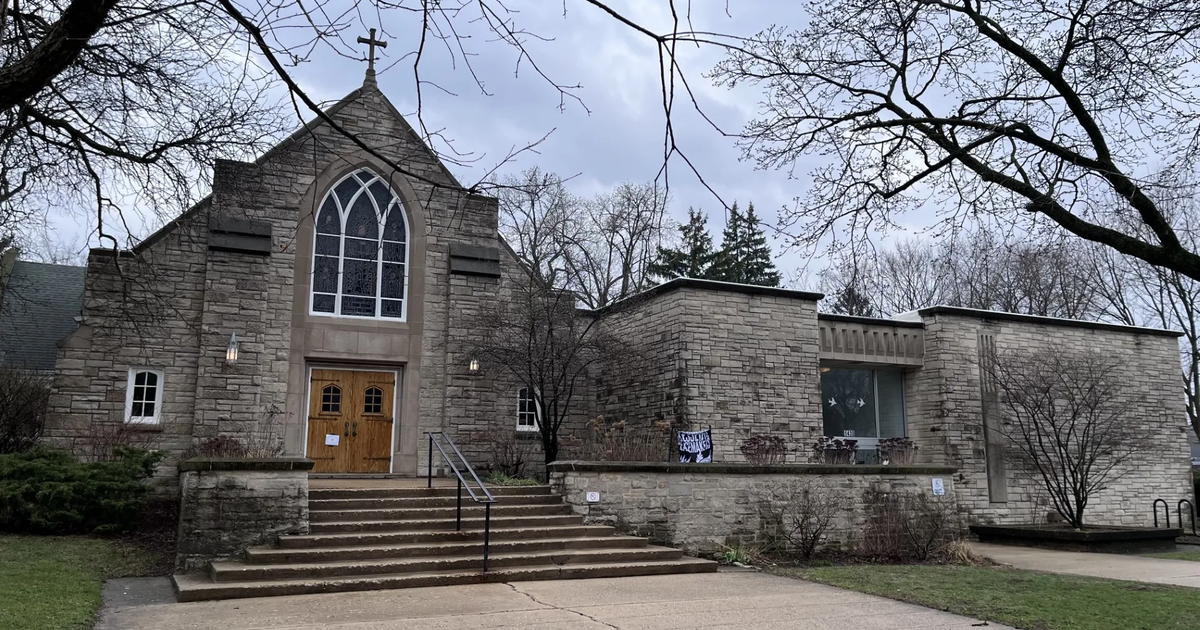
Link to full article at Evanston Now
As local and state officials seek to address ongoing housing crisis, some are turning to faith-based organizations to help be part of the solution.
Across the country, these groups are joining what’s being called the “Yes in God’s Back Yard” (YIGBY) movement, which seeks to make it easier to develop housing on lands owned by faith-based groups.
The legislation seeks to allow faith-based organization to develop multi-unit housing (three or more units), and mixed-use developments by-right on land they own.
They would also prohibit municipalities from imposing unreasonable height limits, setbacks, density capacities or parking mandates.
Additionally, local governments would be required to give their decision on a project within 60 days of its application being completed, with failure to act resulting in the project being automatically approved.
YIGBY legislation has been approved in California and Florida, with bills proposed in Texas, Colorado and Virginia.
State Sen. Sara Feigenholtz, sponsor of Senate Bill 3187, sees the efforts as a worthy endeavor, given many of these organization often own underutilized land that can be developed into housing, and are willing to do so.
“I think that religious institutions are naturally where a community goes for assistance,” she said.
Michael McLean is a resident of Chicago’s Lakeview neighborhood active in the group Abundant Housing Illinois, who helped in drafting the senate bill. He says he views it as a “win-win” in dealing the state’s housing shortage, while also being beneficial for these faith-based groups.
“Some of the local congregations that we’ve seen here that have built housing on their land, it gives them a more sustainable financial future so they can keep their congregations going well into the future,” said McLean.
Both he and Feigenholtz noted a 37-unit affordable housing development for people with disabilities that opened in Lakeview last October. That project was done in collaboration with Lakeview Lutheran Church, Evanston-based nonprofit Over the Rainbow Association and the city.
Meanwhile in Evanston, there are dozen of houses of worship.
Many of them, according to Luke Harris-Ferree, the pastor of Grace Lutheran Church who is also a member of the city’s Land Use Commission, are seeing their memberships decline, and no longer require, or can maintain, the size of the properties they own.
“As people of faith, we are called to be good stewards of what God has gifted us, and many can argue that we are not stewarding our physical resources well, especially in a city that lacks land and needs more affordable housing,” said Harris-Ferree.
Recently, Grace Lutheran’s congregation has been negotiating with the city to turn its parking lot into affordable housing.
And while church parishioners have sought to develop the parking lot for years, Harris-Ferree said they’ve never moved forward, in part because of the time and money they’ve seen expended on other housing projects that go through the zoning process.
Harris-Ferree said the YIGBY legislation would be “huge” for Evanston, and would create an opportunity to create effective change in the city’s affordability crisis without the red tape that often comes with creating affordable housing.
More recently, Gov. JB Pritzker has proposed his “Building Up Illinois Developments” or BUILD Plan, which seeks to boost housing construction in the state and includes proposed statewide zoning reforms.
Feigenholtz said she’s been encouraging the governor to support the YIGBY bills in tandem with legislation supporting his housing initiative.
“I think that they do have very common goals, right, less red tape, less government,” she said.
The affordable housing gap
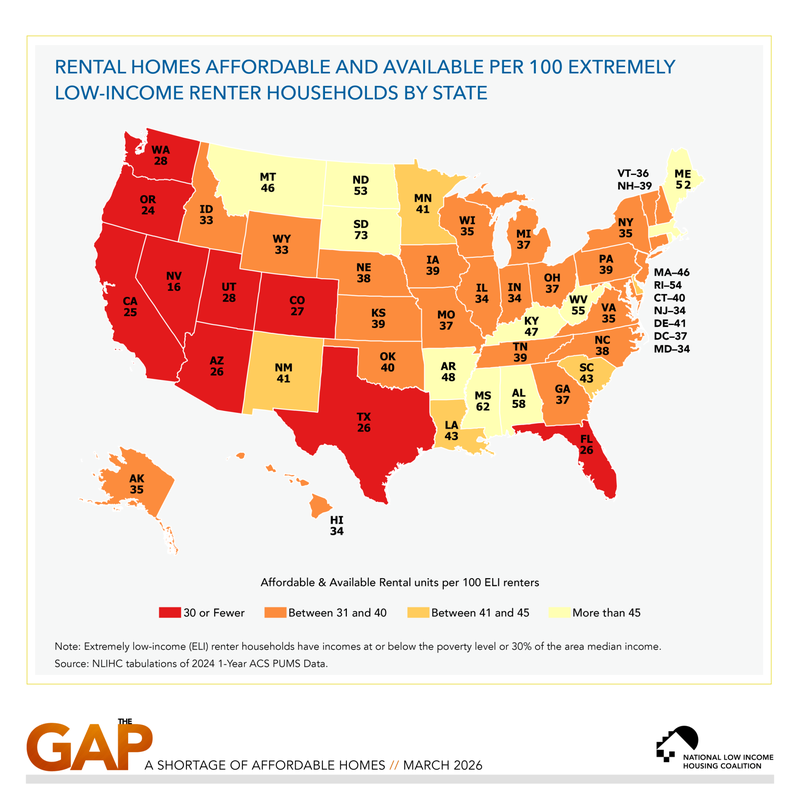
A recent study from the National Low Income Housing Coalition shows by how much low-income households are outpacing the number of available affordable housing units in Illinois.
According to the organization’s annual study, “The Gap”, there are just 34 affordable and available rental homes for every 100 extremely low-income households in the state, meaning their incomes are at or below the poverty line, or 30% of the area median income.
- That figure translates to 439,933 affordable and available units for the nearly 730,000 extremely low-income individuals in the state.
- Of those, nearly three-quarters of these households are severely cost-burdened, meaning they spend over half of their income on housing.
- In the Chicago-Naperville-Elgin (IL-IN) metropolitan area, there are just over 325,000 extremely low-income renter households, but only approximately 100,800 affordable and available homes, or 31 for every 100 of those households.
- Nationally, there are 35 affordable and available rental homes for every 100 extremely low-income renter households, representing a shortage of 7.2 million rental homes.